Function-first careUnderstanding how your child eats, sleeps and breathes comes before any recommendation.
Expert-led pediatric specialty care
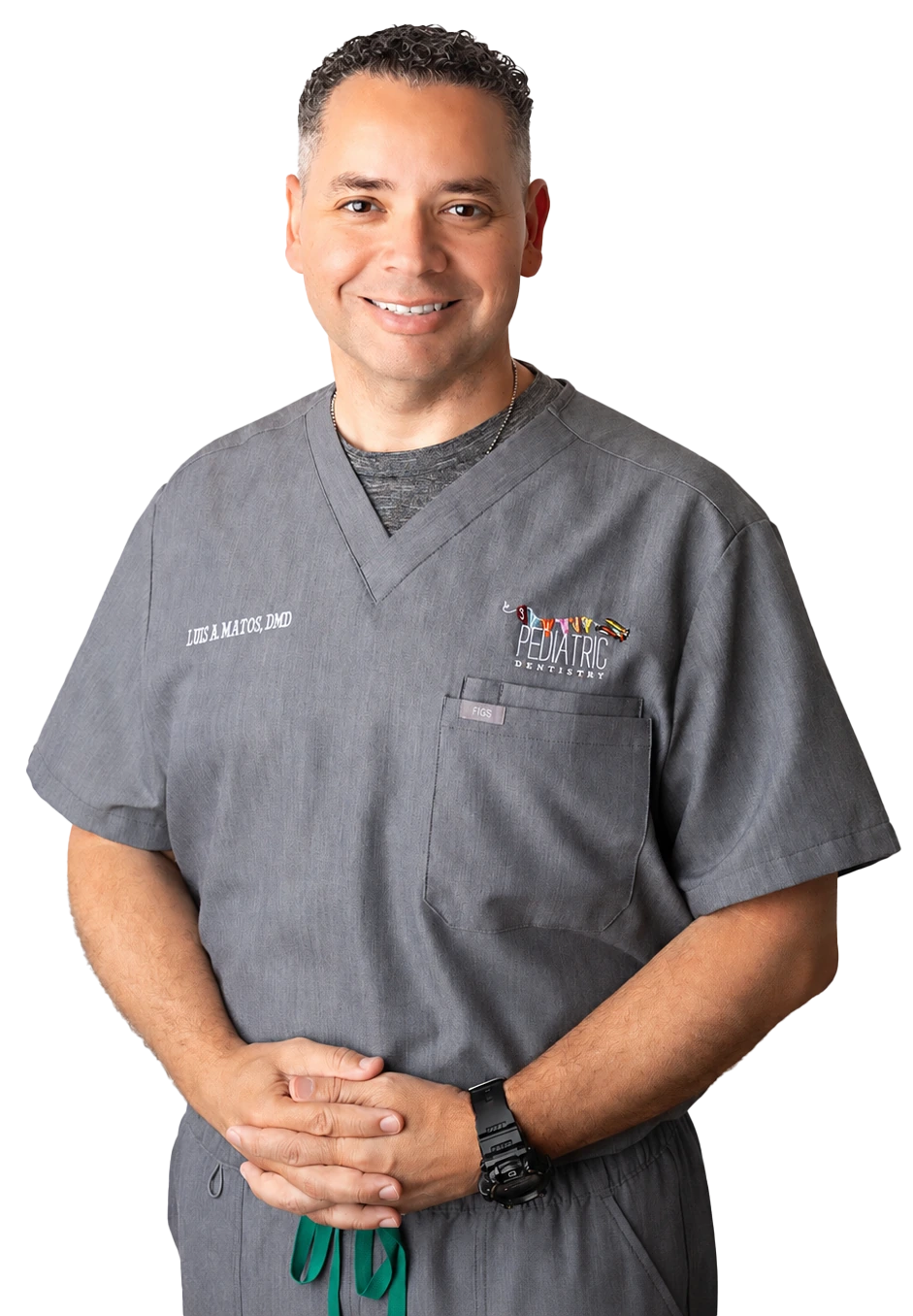
Advanced Tongue-Tie & Airway Care withDr. Luis Matos, DMD.
Thoughtful, function-first evaluations for infants and children—guided by pediatric expertise, advanced live-patient education and whole-team airway training.
Board-Certified Pediatric Dentist
Tongue-Tied Academy
Team AIR Training
Tongue-Tied Academy
Team AIR
 Tongue-Tied Academy
Board-Certified ExpertiseSpecialized pediatric dental training and certification.
Advanced Live-Patient EducationCoursework through Dr. Baxter’s Tongue-Tied Academy in Birmingham, Alabama, including consultation, treatment and follow-up workflow.
Functional AssessmentEvaluation of movement, symptoms and everyday function.
Connected CareCollaboration with therapists and other trusted providers.
Personal perspective
Clinical care grounded in clarity, empathy and family education.
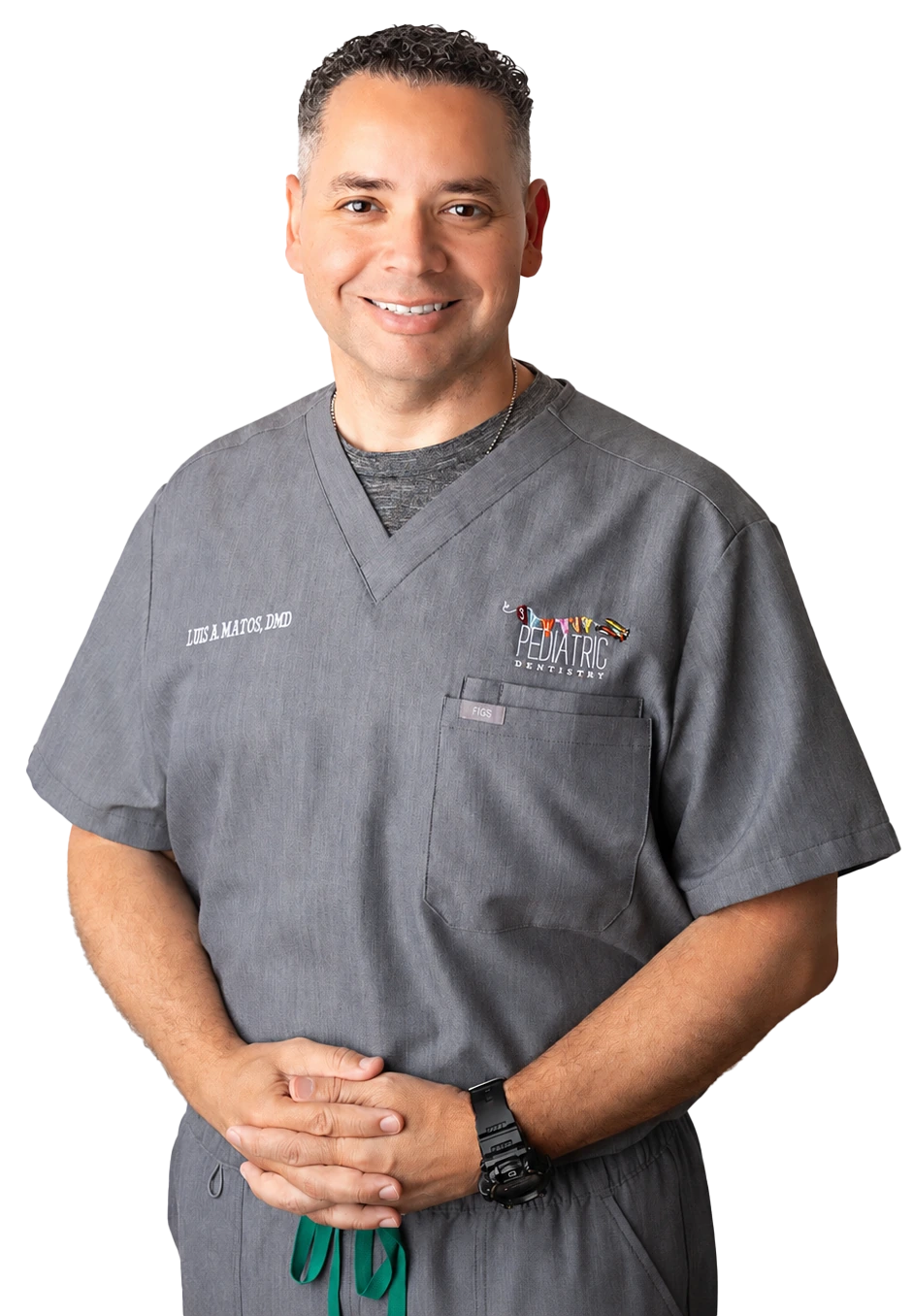
Dr. Matos is a pediatric dentist, husband and father who believes families deserve thoughtful guidance at every step.
About Dr. Matos
A pediatric specialist who sees the whole child.
Dr. Luis A. Matos is a board-certified pediatric dentist serving families throughout Florida’s Treasure Coast. His clinical path combines pediatric specialty training, a background in emergency medical service and a longstanding commitment to helping children feel safe, understood and supported.
His interest in tongue-tie, lip-tie and airway-focused care grew from the understanding that oral function can influence feeding, sleep, speech, breathing and development. Rather than relying on appearance alone, Dr. Matos focuses on symptoms, movement and the child’s day-to-day experience.
Families can expect a careful evaluation, practical education and an individualized plan. When treatment is appropriate, Dr. Matos works collaboratively with lactation consultants, speech-language pathologists, myofunctional therapists and other specialists supporting the child.
“The goal is not simply to treat tissue. It is to help each child function, grow and thrive more comfortably.”
Verified advanced education
Training that moves from knowledge to real patient care.
Dr. Matos completed Tongue-Tied Academy. His advanced live-patient education took place through Dr. Richard Baxter’s Tongue-Tied Academy in Birmingham, Alabama, with close attention to consultation, diagnosis, treatment workflow, aftercare, follow-up and family education.
His documented continuing education also includes the Airway Health Solutions Mini-Residency - Pediatrics and the Team AIR Coaching Program. Together, these programs strengthen his function-first approach to oral development, breathing, sleep and coordinated pediatric care.
Advanced online education
Tongue-Tied Academy
Advanced online education with Dr. Richard Baxter focused on identifying tongue- and lip-tie symptoms, structured examination, diagnosis, evidence-informed treatment decisions and comprehensive care planning.
- Recognition of tongue- and lip-tie symptoms
- Structured oral examination and diagnosis
- Clinical decision-making beyond appearance alone
- Case-based education and virtual clinical observation
Advanced live-patient education
Advanced Live Patient Course
Coursework at Dr. Baxter’s Tongue-Tied Academy in Birmingham, Alabama, including consultation, functional diagnosis, treatment workflow, aftercare, family education and follow-up.
- Observe consultations and functional diagnosis
- Review treatment and release workflows
- Study aftercare and family communication
- Learn from follow-up visits and case discussion
Pediatric airway education
Airway Health Solutions Mini-Residency - Pediatrics
Airway-focused continuing education centered on pediatric screening, sleep-related breathing patterns, craniofacial growth and development, soft-tissue function, myofunctional considerations and interdisciplinary care.
- Pediatric airway screening awareness
- Breathing and sleep-related patterns
- Oral posture, growth and development
- Interdisciplinary care considerations
Provider + whole-team implementation
Team AIR Coaching Program
Dr. Matos completed the Team AIR Coaching Program, and the entire TC TOTs team completed Team AIR training to support consistent airway-aware communication, screening awareness, referral pathways and coordinated care across the practice.
- Airway-focused screening awareness
- Patient and parent education
- Team roles, referrals and communication systems
- Workflows that support continuity of care
A deeper trust signal than a certificate alone: the training connects provider education, live clinical observation, structured follow-up and whole-team implementation.
What the live training covers
A start-to-finish view of the patient journey.
The Advanced Live Patient Course is not presented as a single procedure demonstration. Its official format includes consultation, diagnosis, treatment, follow-up, discussion and family education across multiple patients and age groups.
The value for families is process: careful listening before treatment, a functional evaluation, clear expectations, thoughtful aftercare and follow-up when questions arise.
Consultation and history
Observe how symptoms, feeding or speech concerns, sleep, breathing and family goals are gathered before recommendations are made.
Functional diagnosis
Connect anatomy with mobility and real-life function. A visible frenum alone is not the same as a clinically significant restriction.
Clinical treatment workflow
See how treatment decisions, release procedures and safety considerations fit into a complete appointment—not as an isolated technique.
Aftercare and family education
Study how findings, expectations, home guidance and supportive resources are explained in clear, parent-friendly language.
Follow-up and coordinated care
Learn from follow-up visits, family experiences and collaboration with lactation, speech, feeding and myofunctional professionals when appropriate.
Specialized provider care supported by a prepared whole team.
Airway-focused care involves more than the doctor. Parents interact with scheduling, patient care, clinical and follow-up team members. Shared education helps those interactions feel more consistent and organized.
Whole-team preparation
Team AIR Coaching Program
Dr. Matos completed the Team AIR Coaching Program, and the entire TC TOTs team completed Team AIR training. The program is designed around the whole dental team—from practitioners and clinical staff to office administrators—and focuses on practical systems for integrating airway health into everyday care.
Patient care & schedulingClearer intake, questions and guidance before the evaluation.
Clinical supportShared awareness of airway signs, oral function and the purpose of screening.
Provider decision-makingClinical evaluation and individualized recommendations remain with the qualified provider.
Follow-throughMore consistent communication around referrals, next steps and ongoing support.
More confidence in the care process.
Training does not guarantee a particular outcome. It strengthens the way information is gathered, decisions are explained and families are supported.

Your observations matter
Detailed history and family concerns help establish the full clinical picture.

Function before appearance
Anatomy, mobility, symptoms and day-to-day function are considered together.

One coordinated message
Whole-team education supports clearer explanations and smoother handoffs.

Follow-up has a purpose
Progress, questions and the need for additional therapeutic support can be reviewed over time.
Every child is different. Evaluation findings and treatment recommendations are individualized and may include observation, supportive therapy, referral or treatment depending on clinical need.
Specialized expertise delivered with clarity and care.
Every recommendation begins with listening, evaluating function and helping the family understand the options.
Comprehensive Evaluations
A careful review of symptoms, oral movement, feeding, sleep, speech and development.
Patient-Centered Care
A calm, respectful experience built around the child’s comfort and the family’s concerns.
Evidence-Informed Planning
Treatment recommendations grounded in clinical findings, function and current education.
Collaborative Support
Communication with lactation, speech, feeding and myofunctional professionals when appropriate.

Personalized Follow-Through
Individual planning, family education and guidance beyond the initial appointment.
Looking beyond one symptom to understand the full picture.
Children may be evaluated for one concern or for a combination of challenges that appear across feeding, breathing, sleep, speech and oral development.
Tongue-Ties
Restrictions that may limit elevation, extension or coordinated tongue movement.

Lip-Ties
Upper-lip restrictions that may affect movement, comfort and feeding mechanics.

Feeding Difficulties
Latch, bottle feeding, chewing, swallowing, texture or mealtime concerns.
Mouth Breathing
Daytime or nighttime patterns that may be part of a broader airway picture.

Airway Concerns
Snoring, restless sleep, open-mouth sleep and related functional patterns.
Speech-Related Concerns
Functional tongue movement questions connected to articulation or swallowing.
Oral Development
Tongue posture, palate growth, jaw development and oral-function patterns.

Professional Referrals
Coordinated evaluation for children referred by therapists and healthcare providers.
Treatment philosophy
Thoughtful decisions. No one-size-fits-all plans.
A visible frenum does not automatically mean a procedure is needed. Dr. Matos considers the child’s symptoms, functional limitations, age, development and support system before discussing the most appropriate next step.
The goal is to provide families with a clear understanding of what is happening, what options are available and how supportive care may contribute to a successful outcome.
01
Listen to the familyUnderstand the concerns, history and everyday challenges.
02
Assess function thoroughlyEvaluate movement, symptoms and relevant oral patterns.
03
Recommend conservativelyDiscuss observation, therapy or treatment based on clinical need.
04
Educate and collaborateHelp families and providers understand the coordinated plan.
05
Support follow-upGuide healing, adaptation and functional progress after care.
A foundation of pediatric training and lifelong learning.
Dr. Matos continues to expand his knowledge so families can receive informed, current and compassionate care.
Education & Certification
- EMT certified — National Registry of Emergency Medical Technicians
- BA in Biology — Boston University
- MPA — Valdosta State University
- DMD — Medical College of Georgia
- Pediatric Dentistry Certificate — Miami Children’s Hospital
- Board Certified — American Board of Pediatric Dentistry
- Tongue-Tied Academy
- Advanced Live Patient Course — Dr. Baxter’s Tongue-Tied Academy, Birmingham, Alabama
- Airway Health Solutions Mini-Residency - Pediatrics
- Team AIR Coaching Program — Dr. Matos and whole-team implementation training
Professional Memberships
- American Board of Pediatric Dentistry
- American Academy of Pediatric Dentistry
- Florida Academy of Pediatric Dentistry
- Southeastern Society of Pediatric Dentistry
- Continuing education in tongue-tie, lip-tie and airway-focused care
- Ongoing collaboration with feeding, speech and myofunctional professionals
What families often want to know first.
These general answers explain the evaluation approach. Our team will provide visit-specific instructions when scheduling.
How does Dr. Matos decide whether treatment is appropriate?
Recommendations are based on symptoms, oral movement, age, development and everyday function—not appearance alone. Observation or supportive therapy may be appropriate in some cases.
Can Dr. Matos collaborate with our existing therapist or provider?
Yes. With the family’s permission, coordinated communication may include lactation, speech, feeding, myofunctional or other healthcare professionals already supporting the child.
Do we need a referral?
Requirements can vary by insurance and care pathway. Contact the TC TOTs team to confirm what is needed for your family.
Start with a conversation
Request an evaluation with Dr. Luis Matos.
Share your concerns with the TC TOTs team and schedule a personalized consultation for your child.